News
Social Media Research Report on the February 2026 General Election: Spread of Generative AI Content and Investigation of Misinformation
GMO Brand Security and NABLAS Released White Paper
- News
- Share


GMO Brand Security Inc. (brand security, domain, and IP protection) and NABLAS have released a whitepaper based on the observation and analysis of social media posts, generative-AI videos, and images related to the February 2026 House of Representatives election.
The analysis used a real-world dataset of 3,518,661 items collected by searching election-related keywords (such as political parties and candidate names). GMO Brand Security participated to address the social significance from the perspective of information authenticity, while NABLAS participated to verify the technical limits and possibilities of detection and analysis using the latest AI.
Background and purpose
The February 2026 House of Representatives election represented a crucial moment for democracy, and at the same time highlighted how changes in the information environment—centered on social media—can affect the electoral process.
Today, social media has become a primary channel for political information, where posts, images, and videos are routinely disseminated across vast networks in a short time. There are many cases where factual inaccuracies, information lacking context, or content created using generative AI are spread, often without malicious intent. It has become extremely difficult for voters to distinguish the truth or origin of information, raising concerns about the risk of widespread social distrust.
In response to these conditions, this study was conducted to observe and analyze the actual state of information circulating on social media based on empirical data.
Survey Overview
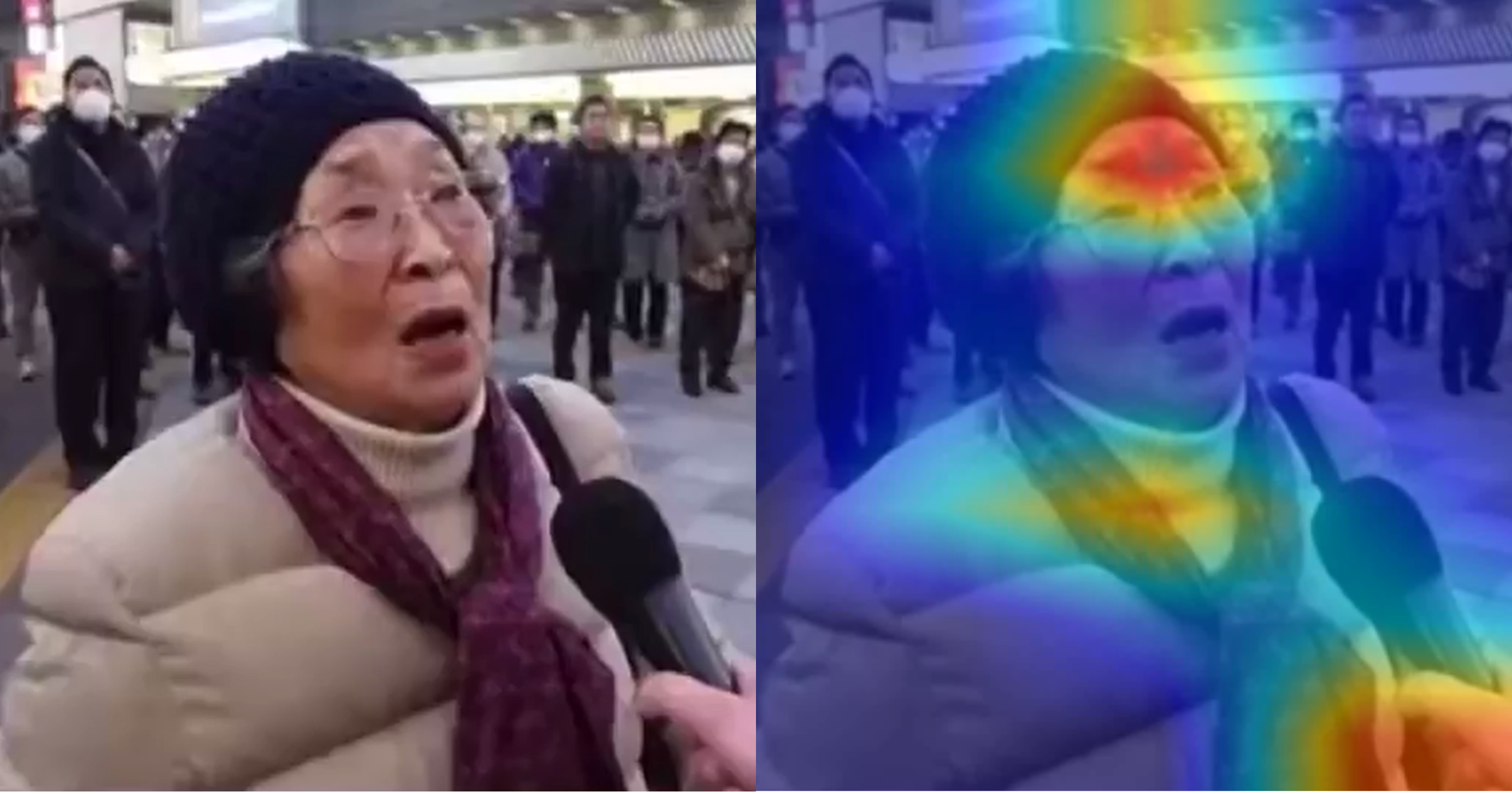
Targeting major social media platforms such as X, Facebook (Meta), and TikTok, posts, images, and videos related to the House of Representatives election were collected at scale. The collected dataset of 3,518,661 items was analyzed as follows:
Visualization and metadata detection: detection of visible watermarks, EXIF, and other metadata embedded in images and videos.
AI-based content analysis: in collaboration with NABLAS, extraction of signals indicating possible use of generative AI and identification of visual and contextual features.
Recommendations
The white paper outlines what is technically possible and what remains difficult, while offering suggestions on the roles that policymakers, platform operators, news organizations, corporations, and civil society should play. This study is not intended to definitively categorize disinformation, but rather to serve as a starting point for discussing realistic countermeasures.
The white paper is available here (Japanese only): https://brandsecurity.gmo/doc/whitepaper_election_sns_202602.pdf